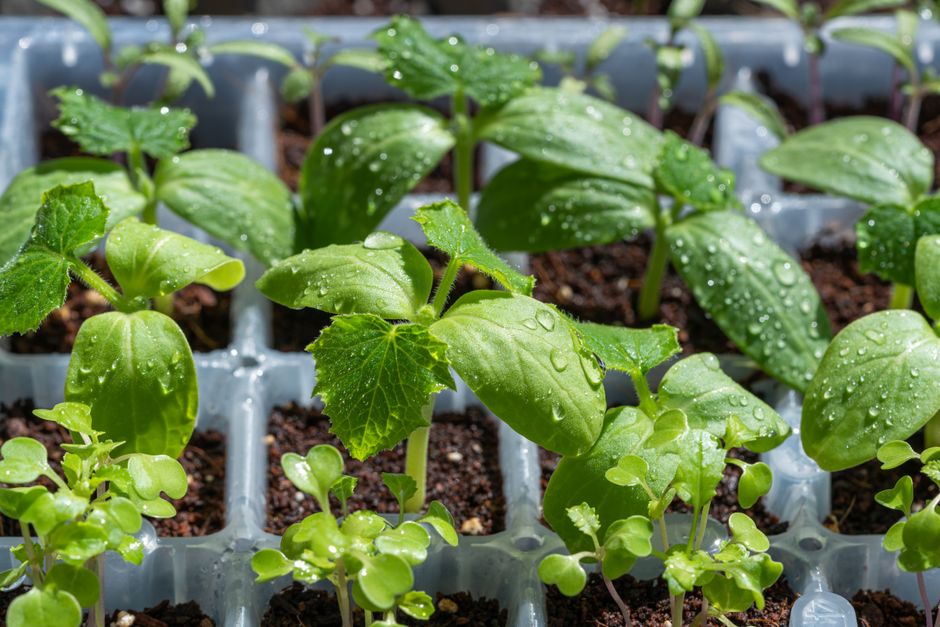
Vibrant green seedlings with water droplets in a tray, highlighting growth.

Green Thumb Journal

Practical gardening advice for vegetables and flowers, with tips on planting, watering, and pest control for home gardeners.

Common Questions About Vegetable and Flower Gardening

  • 1What factors should I consider when planting vegetables in my garden?
    Planting times depend on local climate, frost dates, and soil temperature. Different vegetables have specific requirements, so checking regional guides can provide useful context.
  • 2How can I tell if my flowers need watering?
    Checking soil moisture at root level is a common method. If the top inch of soil feels dry, it may be time to water, but this varies with plant type and weather.
  • 3What are common pests that affect vegetable plants?
    Aphids, caterpillars, and beetles are frequently observed. Their presence can be influenced by plant health, environmental conditions, and nearby vegetation.
  • 4How does soil quality impact plant growth and pest susceptibility?
    Soil nutrients and structure affect root development. Well-balanced soil can support resilient plants, though pest dynamics are complex and multifactorial.
  • 5Are there natural approaches to managing garden pests?
    Companion planting, beneficial insects, and organic sprays are among the methods gardeners explore. Their effectiveness varies based on circumstances and requires careful consideration.

This page provides practical guidance for home gardeners on planting vegetables and flowers, watering effectively, and managing pests. The information is presented as a set of methods and considerations that can be adapted to individual gardening contexts.

Planting Tips for Vegetables and Flowers

  • Seed packets often provide guidelines for planting depth and spacing.
  • Soil temperature can influence germination and early growth.
  • Grouping plants with similar water and sunlight needs is a common strategy.
  • Crop rotation may help reduce pest buildup over time.

Watering Considerations

Watering practices depend on factors such as plant species, soil type, and weather patterns. Regular monitoring of soil moisture and adjusting frequency according to observed conditions can support healthy plant development. Drip irrigation and soaker hoses are tools that some gardeners find useful for delivering water directly to roots.

Pest Management Strategies

  1. Introducing beneficial insects such as ladybugs is one approach.
  2. Row covers can be used to exclude certain pests.
  3. Neem oil and insecticidal soap are applied following label directions.
  4. Removing debris and weeds contributes to garden hygiene.

Pest management involves understanding local ecosystems and observing plant interactions. Combining cultural practices with targeted interventions can help create a balanced approach, though outcomes are influenced by many variables beyond any single action.