Growing Tomatoes in Containers: Tips for a Bountiful Harvest
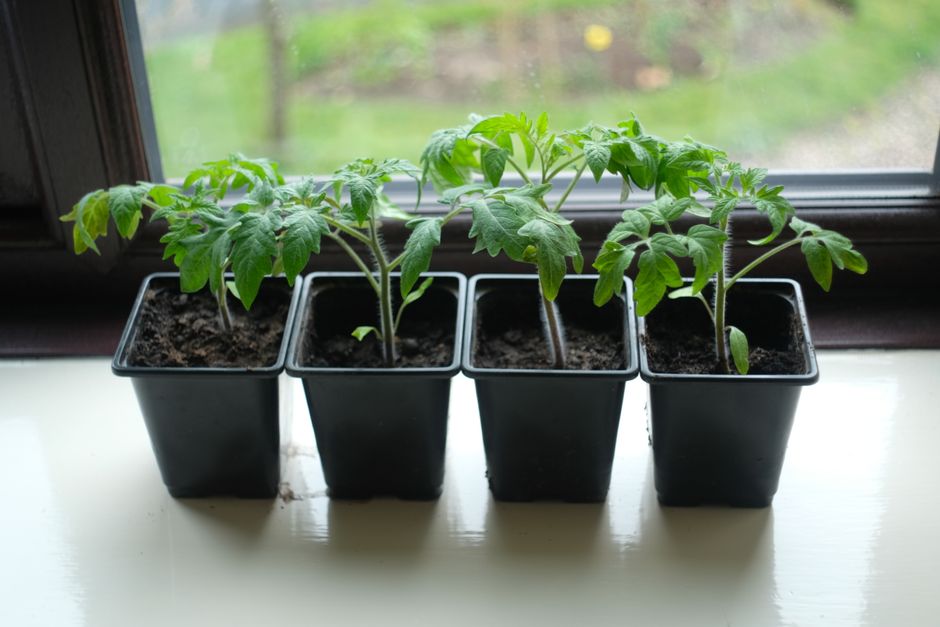
Growing tomatoes in containers offers a practical solution for gardeners with limited space, such as balconies, patios, or small yards. Containers provide flexibility in placement and can be moved to capture optimal sunlight or protect plants from harsh weather. However, successful container cultivation requires attention to specific factors that differ from in-ground gardening. This article explores essential considerations for choosing pots, preparing the growing medium, providing structural support, managing water, and addressing common physiological issues like blossom end rot.
The process begins with selecting an appropriate container and ensuring it meets the plant’s needs for root development and drainage. Beyond that, the choice of potting mix, fertilization, and consistent watering practices significantly influence plant health and fruit production. By understanding the principles behind container growing, gardeners can create favorable conditions for tomato plants to thrive, regardless of outdoor space constraints.
Selecting the Right Container and Drainage
The foundation of container tomato gardening lies in picking a pot that accommodates the plant’s extensive root system. Tomatoes are vigorous growers, and their roots require ample space to access water and nutrients. A pot with a minimum volume of 5 gallons is often recommended for a single tomato plant, with larger pots (10-20 gallons) providing even better stability and moisture retention. The material of the container also matters: clay pots are porous and dry out faster, plastic and glazed ceramic pots retain moisture longer, and fabric pots offer excellent aeration. Each type has trade-offs in weight, durability, and insulation from temperature fluctuations.
Equally critical is drainage. Containers must have holes at the bottom to allow excess water to escape, preventing waterlogged soil that can lead to root rot. If a decorative pot lacks drainage holes, consider using it as an outer cover for a functional inner pot. To further improve drainage, add a layer of gravel or broken pottery at the bottom, though some recent research suggests that this may not be necessary and can reduce the effective soil volume. Instead, focus on using a coarse potting mix that facilitates good water flow.
Choosing the Right Potting Mix and Nutrients
Tomatoes thrive in a well-draining, nutrient-rich growing medium. A high-quality potting mix specifically designed for container vegetables is a better choice than garden soil, which can compact and carry diseases. Look for a mix that contains peat moss, compost, or coconut coir for moisture retention, and perlite or vermiculite for aeration. Such components help maintain a balance between water holding capacity and oxygen availability for roots.
Nutrients are also key. Container plants rely on the grower for fertilization since they cannot tap into soil reserves. A slow-release fertilizer incorporated into the potting mix at planting provides a steady supply of essential elements. Additionally, regular feeding with a balanced liquid fertilizer every two to three weeks can support the plant during the growing season. However, be mindful of over-fertilization, which can lead to excessive foliage at the expense of fruit. Observing the plant’s growth and adjusting the feeding schedule based on its response is a sound approach.
Supporting Tomato Plants with Stakes and Cages
Tomato plants grow in two main types: determinate, which stay compact and bushy, and indeterminate, which vine continuously and can reach substantial heights. Regardless of type, most tomato plants benefit from structural support to keep stems off the ground, improve air circulation, and reduce the risk of disease. Staking is a common method: inserting a sturdy wooden or metal stake into the container and tying the main stem to it as the plant grows. Alternatively, a tomato cage can provide support in all directions, though it requires careful placement so as not to damage roots.
Support is not only about aesthetics; it directly affects fruit quality and harvest ease. When plants are allowed to sprawl, fruit may come into contact with soil, leading to rot or pest issues. Furthermore, staking allows for better light penetration and airflow, which helps reduce the incidence of fungal diseases. The method of support should be chosen based on the plant’s size and the gardener’s preference, but it is essential to install it early—at planting time if possible—to avoid disturbing roots later.
Watering Consistency and Blossom End Rot Prevention
Watering container tomatoes requires more attention than in-ground plants because containers dry out faster, especially in warm, windy conditions. The goal is to keep the soil consistently moist but not soggy. Fluctuations in soil moisture are a primary cause of blossom end rot, a common disorder where the bottom of the fruit develops a dark, sunken lesion. This condition is linked to a calcium deficiency in the fruit, often triggered by irregular watering that impairs calcium uptake. Maintaining even moisture helps prevent this problem.
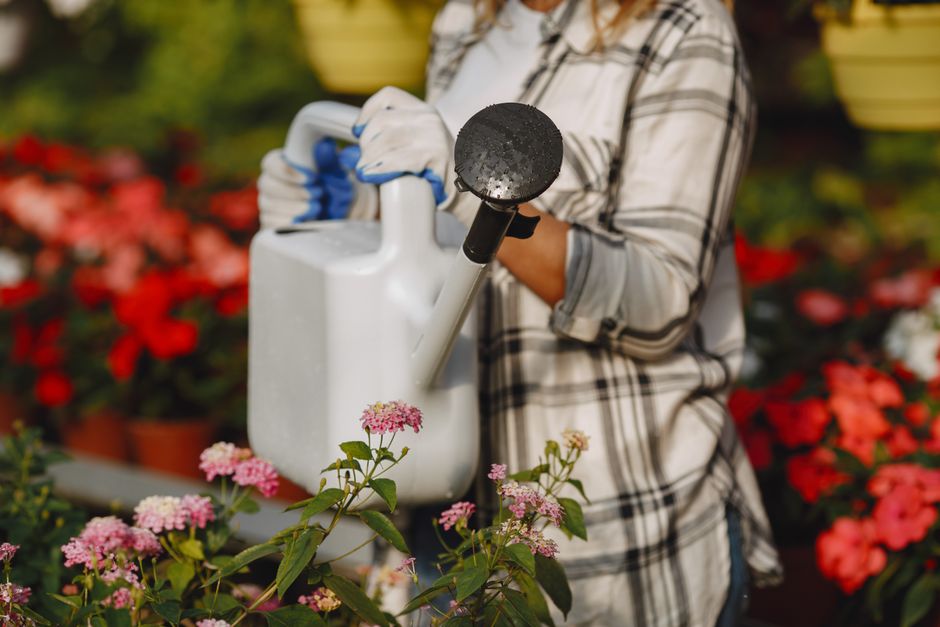
To achieve consistent watering, consider using self-watering containers or a drip irrigation system, which can provide a steady supply. Alternatively, check the soil moisture regularly by inserting a finger about an inch into the soil; if it feels dry, it is time to water. Mulching the top of the soil with straw or organic material can also reduce evaporation, but leave some space around the stem to prevent rot. Watering in the early morning is generally recommended to allow foliage to dry quickly, reducing the risk of fungal diseases.
Light, Temperature, and General Care
Tomatoes are sun-loving plants, requiring at least six to eight hours of direct sunlight each day for optimal growth and fruit development. Place containers in a location that receives ample sunlight, but be aware that intense afternoon sun can cause overheating and stress to the roots. In very hot climates, some afternoon shade can be beneficial. Monitor the microclimate around the container, as heat from surrounding structures may affect temperature.
Temperature extremes can also affect fruit set and quality. Tomato plants prefer daytime temperatures between 70°F and 85°F and cooler nights. When temperatures rise above 90°F, flower drop can occur, reducing fruit production. Using a shade cloth during heat waves or moving containers to a cooler spot can help. Additionally, regular pruning of suckers—small shoots that emerge between the main stem and branches—can improve air circulation and direct energy to fruit production, though this is more critical for indeterminate varieties. Pinching off the growing tips at the top of the plant near the end of the season can encourage the remaining fruit to ripen.
Finally, observe the plants regularly for signs of pests or diseases, such as hornworms, aphids, or early blight. Early detection and intervention are key to preventing outbreaks, but always follow integrated pest management principles and consult local extension services for safe control measures.
Successful container tomato gardening hinges on a balance of proper container selection, a quality growing medium, consistent watering, and vigilant care. Each element contributes to the overall health of the plant and its ability to produce a satisfying crop, but outcomes remain conditional on environmental conditions and timely adjustments.
In summary, growing tomatoes in containers is a rewarding endeavor that requires thoughtful preparation and ongoing attention. By choosing the right pot, using a well-draining potting mix, providing robust support, managing water consistently, and ensuring adequate sunlight and temperature, gardeners can create an environment conducive to healthy growth. While results may vary, these practices form a solid foundation for enjoying home-grown tomatoes in limited spaces.