Essential Care Tips for Your Flower Beds in Summer
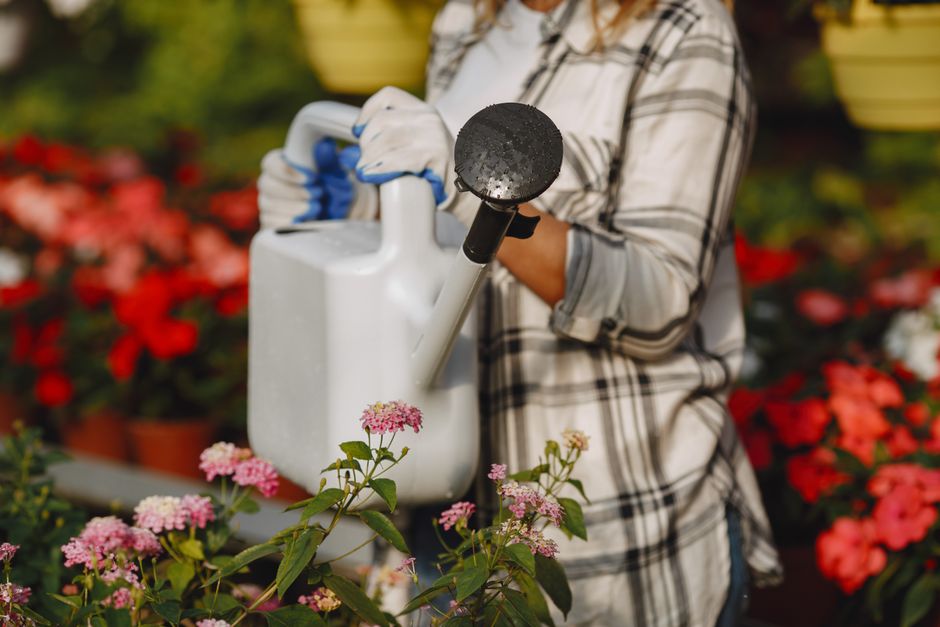
Summer presents a distinct set of conditions for flower beds. Higher temperatures, increased sunlight, and longer days can affect the soil, plant hydration, and overall vitality of ornamental gardens. As a result, gardeners often adjust their maintenance routines to support healthy growth and continued blooming. While every garden has its own microclimates and soil characteristics, certain fundamental practices serve as a foundation for success during the hottest months. This article explores essential aspects of summer flower bed care, including strategic watering, regular deadheading, and balanced fertilization, along with other supportive measures that contribute to resilient plants.
Understanding how summer weather impacts plants is crucial. When temperatures rise, plants lose water through transpiration at a faster rate, increasing their demand for moisture. Additionally, intense sunlight can stress foliage and blooms. By adapting care routines to meet these challenges, gardeners can help their flower beds tolerate and even flourish in the summer heat. The following sections detail specific techniques and considerations that are commonly recommended by horticultural professionals.
Implementing a Proper Watering Schedule
Water is arguably the most critical factor in summer flower bed care. The goal is not merely to wet the surface, but to ensure that moisture reaches the root zone where it is needed most. Deep watering encourages roots to grow downward, creating a more drought-tolerant plant. Shallow watering, in contrast, often leads to shallow root systems that are more susceptible to heat stress. To achieve deep watering, it is generally recommended to apply water slowly and thoroughly, allowing it to penetrate several inches into the soil. This can be accomplished using a soaker hose, drip irrigation, or a watering wand with a slow flow setting.
The timing of watering also plays a significant role. Early morning is widely considered the optimal time for several reasons. Morning watering allows foliage to dry quickly in the sun, reducing the risk of fungal diseases. It also ensures that plants have an adequate water supply before the heat of the day increases evaporation rates. Watering in the evening, while sometimes convenient, can leave foliage wet overnight, which may promote disease. If morning watering is not possible, the next best alternative is late afternoon, but it is advisable to avoid watering during the hottest part of the day to minimize water loss through evaporation.
Determining when to water can be guided by checking soil moisture. A simple finger test involves inserting a finger into the soil near the plant’s base; if it feels dry an inch or two below the surface, watering is likely needed. Using a moisture meter can provide a more accurate reading. It is also beneficial to observe the plants themselves; wilting leaves in the afternoon may indicate water stress, but some plants naturally wilt in the heat and recover by evening. Consistency is key, and establishing a regular watering routine based on these checks can help maintain optimal soil moisture.
Maintaining Bloom Production Through Deadheading
Deadheading, the process of removing spent or faded flowers, is a simple yet effective technique for prolonging the blooming period of many annuals and perennials. When flowers that have finished blooming are removed, the plant is signaled to produce new buds. This redirects energy from seed production back into flower formation. For many species, regular deadheading can lead to a continuous display of blooms throughout the summer. Without deadheading, plants may slow or stop blooming entirely, focusing on seed maturation instead.
The method of deadheading varies depending on the plant type. For single-stemmed flowers, such as marigolds or zinnias, the entire flower stem can be cut back to the first set of leaves. For plants with multiple flowers on a single stem, like salvias or coreopsis, it may be appropriate to remove only the individual spent blossoms. It is generally recommended to make clean cuts using sharp pruners or scissors, avoiding damage to surrounding healthy tissue. Some plants, such as petunias, benefit from a more aggressive trim if they become leggy, which can encourage fresh, bushier growth.
Deadheading also contributes to the overall aesthetic of the flower bed. Removing brown and wilted blooms keeps the garden looking neat and vibrant. In addition, regular inspection during deadheading provides an opportunity to notice potential issues early, such as pest damage or disease. While deadheading is optional for some plants, particularly those grown for ornamental seed heads, it is a common practice for continuous bloomers.
Applying Balanced Fertilizer for Sustained Vitality
Fertilization in summer supports plant health and flowering, but it requires a thoughtful approach. Plants use nutrients from the soil to support growth, and heavy bloomers often benefit from supplemental feeding. A balanced fertilizer, typically containing equal parts nitrogen, phosphorus, and potassium, can provide essential nutrients without overstimulating foliage at the expense of flowers. Slow-release fertilizers are particularly convenient, as they gradually supply nutrients over several weeks, reducing the frequency of application.
It is important to follow product instructions regarding application rates and frequency. Over-fertilization can lead to excessive leaf growth, promote weak stems, and may even cause fertilizer burn. Additionally, excessive nitrogen can encourage lush foliage but inhibit flowering. For most flowering perennials and annuals, a monthly application of a balanced, water-soluble fertilizer is often sufficient. However, gardeners should consider their soil’s existing nutrient levels and adjust accordingly. A soil test can provide valuable insights, but many home gardeners rely on general guidelines and plant response.
The time of day for fertilizing can also matter. Applying fertilizer in the early morning or late afternoon, when temperatures are cooler, reduces the risk of leaf burn from contact with liquid fertilizer on hot days. After applying fertilizer, watering thoroughly helps distribute nutrients into the root zone and prevents salt accumulation. It is also worth noting that certain plants, like many native species, thrive with minimal fertilization, and adding too much can actually harm them. Therefore, it is advisable to research the specific needs of the plants in your flower beds.
Supporting Soil Health with Mulch and Organic Matter
Mulching is a highly effective practice for flower beds during summer. A layer of organic mulch, such as wood chips, shredded bark, or straw, helps conserve soil moisture by reducing evaporation. Mulch also moderates soil temperature, keeping roots cooler during hot spells. As organic mulch breaks down over time, it contributes to soil structure and fertility, adding beneficial organic matter. Applying mulch to a depth of two to four inches, while keeping it a few inches away from plant stems, is often recommended. This helps prevent rot and discourages pests that might shelter in the mulch.
In addition to mulch, adding compost or well-rotted manure to flower beds can improve soil moisture retention and nutrient availability. Organic matter enhances soil structure, allowing for better water infiltration and root penetration. During the growing season, a top-dressing of compost can be gently worked into the soil surface. This not only feeds the soil but also encourages beneficial microbial activity, which supports plant health in the long term. However, it is important to avoid deep cultivation that might damage shallow roots.
Maintaining soil health is a continuous process. Regular observation of soil texture and plant performance can guide adjustments in amendments. For instance, sandy soils drain quickly and may require more frequent watering, while clay soils hold moisture but can become compacted, signaling a need for aeration or organic matter. By focusing on the soil environment, gardeners create a supportive base for their flower beds.
Monitoring and Adjusting Throughout the Season
Flower bed care is not a one-time task but an ongoing process of observation and adjustment. As summer progresses, conditions change, and plants may exhibit signs of stress or vigor that inform care decisions. Regular monitoring involves checking for pests, diseases, and nutrient deficiencies. Early identification allows for timely intervention, which might include adjusting watering, improving air circulation, or introducing beneficial insects.
Weather patterns can vary significantly within a season. Periods of intense heat, drought, or heavy rainfall each require specific responses. For example, during a heatwave, additional shading or increased watering may be necessary, while extended rainy periods might reduce the need for irrigation and call for vigilance against fungal issues. Flexibility is essential, and adapting practices based on current conditions is a key aspect of successful summer care.
Keeping notes or a gardening journal can be helpful, as it allows for tracking what works and what does not. Observations from one summer can inform choices for the next, such as selecting more heat-tolerant varieties or adjusting fertilizer schedules. Ultimately, the goal is to work in harmony with the natural cycle of the garden, providing the right balance of care to encourage healthy, vibrant flower beds.