Natural Ways to Protect Your Plants from Slugs and Snails
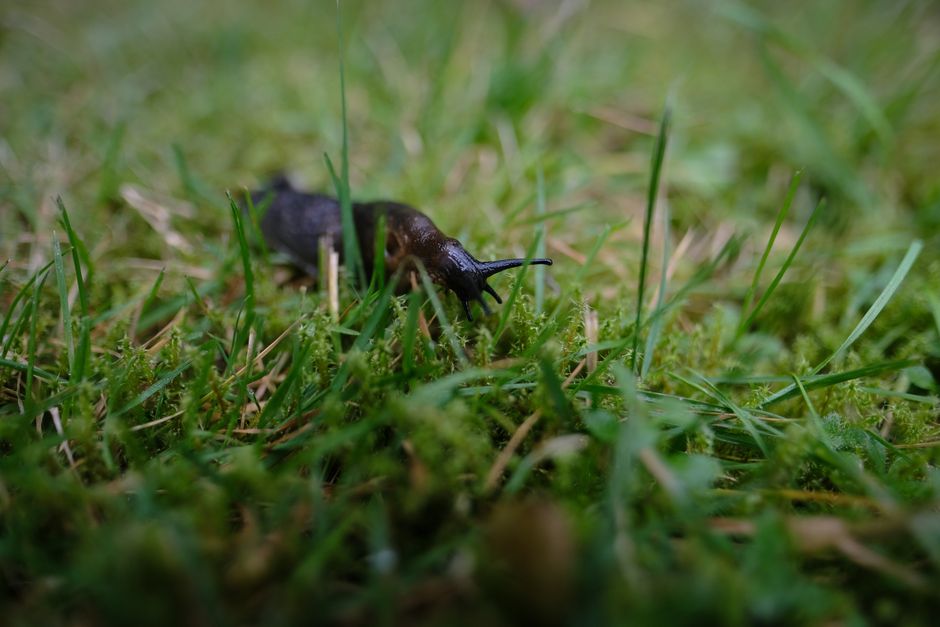
Slugs and snails can be a persistent challenge for gardeners, often feeding on tender leaves and young seedlings. While chemical molluscicides exist, many gardeners prefer strategies that align with broader ecological practices. This article explores several natural approaches that can be integrated into a garden management plan. The methods described focus on creating barriers, altering habitat conditions, and leveraging biological controls. It is important to note that no single technique offers universal efficacy; results may vary based on local conditions, species present, and seasonal factors.
The following sections outline specific materials and practices, including the use of coffee grounds, crushed eggshells, copper tape, beer traps, and the encouragement of natural predators. Each method operates through different principles, and combined use may enhance overall effectiveness. However, gardeners should assess their own context and adapt these suggestions to their specific situation.
Understanding Slug and Snail Behavior
Slugs and snails are mollusks that thrive in moist, shaded environments. They are most active during the night, early morning, or after rainfall when humidity is high. These pests feed on a wide range of plants, leaving irregular holes in leaves and sometimes damaging stems and fruits. Their presence is often indicated by silvery slime trails. A key aspect of managing these pests is to understand that they require shelter and moisture to survive. Gardens with dense vegetation, mulch, or debris provide ideal hiding spots. By modifying these conditions, it may be possible to reduce their populations and the damage they cause.
Habitat modification involves reducing potential hiding places such as boards, stones, and dense ground cover. Watering plants in the morning rather than evening allows the soil surface to dry, making the environment less hospitable for slugs and snails. Additionally, maintaining good airflow and sunlight exposure can decrease moisture levels. While these measures alone may not eliminate the problem, they can contribute to a comprehensive management strategy.
Using Coffee Grounds as a Deterrent
Coffee grounds are often suggested as a natural slug and snail repellent. The premise is that the caffeine and other compounds found in coffee may act as a deterrent or even be toxic to these pests. Research has indicated that caffeine can have a negative effect on mollusks, and applying grounds around plants may create an unwelcoming texture. To use this method, spread used coffee grounds in a ring around vulnerable plants. This barrier may need to be reapplied after rain or heavy watering, as the grounds can wash away or break down.
It is important to note that coffee grounds should be applied in moderation, as large quantities can affect soil pH and nutrient balance. Also, the deterrent effect may not be universal, as some gardeners report limited success. Therefore, coffee grounds can be considered one component of a multi-faceted approach, rather than a standalone solution.
Creating Barriers with Crushed Eggshells and Copper Tape
Crushed eggshells are another popular natural barrier. The sharp edges of the shells are thought to irritate the soft bodies of slugs and snails, discouraging them from crossing. To implement this method, collect and rinse eggshells, then crush them into small, jagged pieces. Sprinkle these around the base of plants in a continuous ring. The effectiveness of eggshells may be reduced when they become wet, and they may degrade over time, necessitating reapplication.
Copper tape functions on a different principle. When slugs and snails come into contact with copper, a chemical reaction occurs that delivers a mild electric shock, deterring them. Copper tape can be applied to raised beds, planters, or the edges of containers to create a repellent barrier. It is crucial to ensure the tape is free of gaps and is wide enough to cover the pest’s likely path. Over time, copper may oxidize and become less effective, so periodic cleaning or replacement may be necessary. Both eggshells and copper tape can be used in conjunction with other methods, but their success will depend on correct installation and maintenance.
Setting Up Beer Traps
Beer traps are a well-known method for capturing slugs and snails. The idea is that the scent of yeast attracts these pests, and once they enter the trap, they drown. To create a beer trap, sink a container, such as a shallow dish or jar, into the soil so that its rim is slightly above ground level. Fill it with beer, preferably stale or inexpensive, and leave it in place. The slugs and snails are drawn to the liquid, fall in, and become trapped. These traps require regular maintenance: emptying and refilling, especially after rain, which can dilute the beer.
It is worth noting that beer traps can attract slugs and snails from a wider area, potentially increasing the number of pests in the vicinity. For this reason, some gardeners place traps at a distance from plants to lure pests away. The effectiveness of beer traps can vary, and they are often used more for monitoring pest populations than as a complete control measure. When disposing of trapped pests, it is important to do so in a way that is acceptable to the gardener and local regulations.
Encouraging Natural Predators
Biological control involves fostering organisms that naturally prey on slugs and snails. Common predators include hedgehogs, ground beetles, frogs, toads, and some birds. Encouraging these species can be achieved by providing suitable habitats, such as log piles, dense vegetation, and water sources. Avoiding the use of broad-spectrum pesticides is essential, as these can harm beneficial organisms. Creating a garden that welcomes predators can contribute to a balanced ecosystem where slugs and snails are kept in check.
For instance, hedgehogs are known to consume slugs and snails, but their numbers have declined in some areas. By installing a hedgehog house or leaving wild corners, gardeners may attract these animals. Similarly, birds such as thrushes and blackbirds feed on snails, and providing bird feeders or water can encourage their presence. It is important to remember that relying solely on natural predators may not provide immediate or complete control, especially in severe infestations. However, integrating predator encouragement with other methods can create a more robust approach.
Integrating Multiple Strategies
No single natural method is guaranteed to eliminate slugs and snails entirely. Combining various techniques often yields better results than using one alone. For example, creating a barrier with copper tape can protect individual plants, while coffee grounds or eggshells add another layer of defense. Beer traps can be used for monitoring and reducing populations, and habitat management can lower the overall suitability of the garden for these pests. Regular monitoring is essential to determine which methods are working and to adapt the strategy as conditions change.
Additionally, it is wise to consider plant selection. Some plants are more resistant to slug and snail damage, and choosing these may reduce the need for intervention. Companion planting with herbs like rosemary or sage, which are less palatable, might also offer some protection. However, plant resistance can vary by region and specific pest populations. Gardeners should remain observant and flexible, adjusting their approaches based on observed outcomes. While these natural methods are generally safe, they still require consistent effort and an understanding of local ecological factors.
Successful slug and snail management often involves a combination of habitat modification, physical barriers, and biological controls, tailored to the specific conditions of each garden.
In summary, protecting plants from slugs and snails is a multifaceted endeavor. By understanding their behavior, using natural deterrents such as coffee grounds and eggshells, installing copper tape, setting up beer traps, and encouraging predators, gardeners can develop a customized approach. It is important to remember that results may vary, and an integrated strategy that is regularly monitored and adjusted is likely to be most effective. With patience and observation, it is possible to manage these garden pests while maintaining a natural and chemical-free approach.