Fall Planting Guide: What to Sow in September for a Spring Harvest
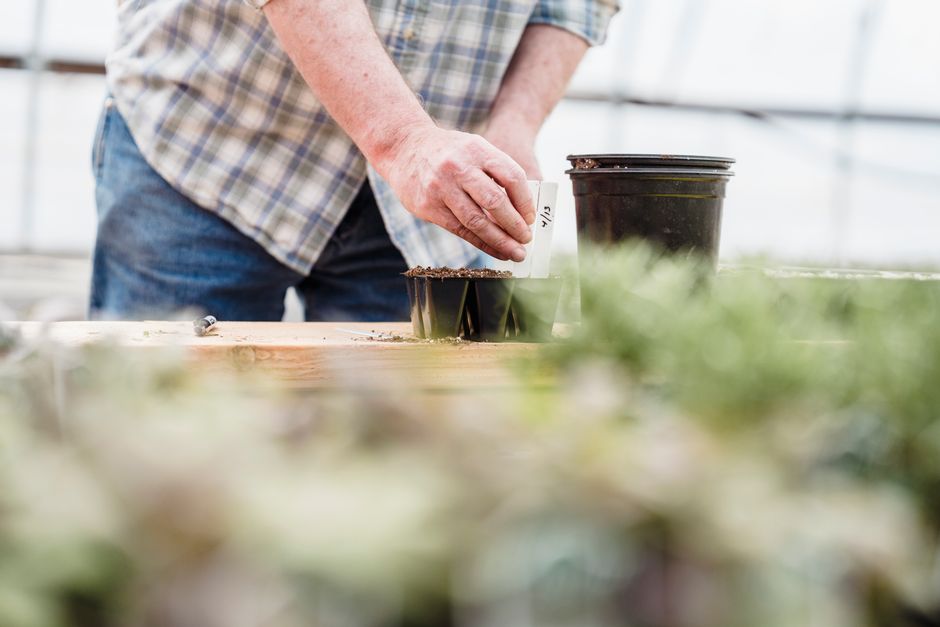
As summer fades and the days grow shorter, September presents a window of opportunity for gardeners who are thinking ahead. While many beds are winding down, the coming weeks offer a chance to sow crops that will lie dormant or slowly develop over the winter, ready to burst into growth when spring returns. This season is less about immediate gratification and more about strategic planning. By choosing the right varieties and preparing the soil carefully, you can set the stage for an early and rewarding harvest.
This guide focuses on three groups of plants that are well-suited for September planting in many regions of the United States: garlic, onions, and winter greens. Each has its own requirements and benefits. Additionally, we’ll discuss the crucial steps of preparing beds with compost and using mulch to protect these young plants from freezing temperatures. Proper preparation now can make a significant difference in how well they survive the winter and perform in the spring.
Understanding September Planting
September is a transitional month in the garden. Soil temperatures are still warm from summer, which encourages root establishment before the ground freezes. The air is cooler, reducing stress on young seedlings. For many crops, this is an ideal time to sow seeds or set out transplants because they have a few weeks to develop strong root systems before growth slows down. The exact timing depends on your local climate and the first expected frost date. In colder regions, planting earlier in the month is advisable; in milder areas, you might extend planting into early October.
It’s important to recognize that not all crops are suitable for fall planting. The ones that succeed are typically hardy or semi-hardy, meaning they can tolerate some frost and even freezing temperatures. Garlic and onions are classic examples because they are planted in fall and harvested in summer. Winter greens, such as spinach, kale, and certain lettuces, can be sown in fall for a late-season harvest or for early spring regrowth. By understanding the growth habits of these plants, you can make informed decisions about what to sow and when.
What to Sow: Garlic, Onions, and Winter Greens
Garlic for a Flavorful Spring Harvest
Garlic is perhaps the most popular fall-planted crop. It requires a period of cold to trigger bulb formation, so planting in September ensures it experiences the necessary chill. Choose a site with full sun and well-draining soil. Separate the cloves from the bulb just before planting, and set them pointy side up, about 2 inches deep and 4 to 6 inches apart. Rows can be spaced 12 to 18 inches apart. After planting, water gently to settle the soil
Garlic will establish roots before winter and then go dormant. In spring, it will resume growth. The timing of planting is critical: if planted too early, it may sprout and be vulnerable to winter damage; if too late, it may not root sufficiently. Hardneck varieties often do well in colder climates, while softneck types are better for milder regions. The addition of compost to the bed beforehand provides nutrients that will be slowly released as the garlic grows.
Onions: Sets or Seeds
Onions can be grown from seeds, sets (small bulbs), or transplants. In September, planting sets or small transplants is common because they establish quickly and are less prone to disease than seeds. Choose varieties that are suited to your day length and winter hardiness. In most of the United States, short-day or intermediate-day onions are recommended for the south, while long-day onions are better in the north. Space sets or plants about 4 inches apart in rows 12 inches apart.
Onions are shallow-rooted, so they require consistent moisture, but overwatering can lead to rot. A layer of mulch after planting can help conserve moisture and regulate soil temperature. If you live in an area with severe winters, consider additional protection, such as a cold frame or row cover, to prevent frost heaving. Onions that survive the winter will produce earlier harvests in late spring to early summer.
Winter Greens for Early Spring Growth
Several leafy greens are well-adapted for fall planting. Spinach and mache (corn salad) are extremely cold-hardy. Kale and Swiss chard can also be planted in September, and they may produce leaves through the fall in milder climates. For a spring harvest, you can sow seeds in late September and they will germinate and grow slowly over winter or remain dormant until spring. In some regions, you can get a fall harvest as well, but the main goal here is early spring production.
These greens prefer fertile, well-drained soil. Sow seeds at the depth recommended on the packet, usually about 1/4 to 1/2 inch deep. Water gently and keep the area moist until germination. Thinning is important to prevent overcrowding. A cold frame or a thick layer of mulch can protect them from severe cold and allow you to harvest earlier in spring. Some gardeners also successfully use row covers or low tunnels to extend the growing season.
Preparing Beds with Compost
Healthy soil is the foundation for any successful garden. Before planting in September, it’s wise to amend the soil with aged compost. Compost improves soil structure, enhances drainage, and provides a slow-release source of nutrients. Spread a layer of compost about 1 to 2 inches thick over the bed and mix it into the top 6 to 8 inches of soil. This is also a good time to test your soil pH and adjust it if needed; garlic and onions prefer a pH between 6.0 and 7.0.
The benefits of composting go beyond immediate nutrition. It encourages beneficial microbial activity, which helps break down organic matter and make nutrients available to plants. Compost also improves the soil’s ability to retain moisture, which is crucial during dry fall spells. If your soil is heavy clay, adding compost can increase drainage, while sandy soils benefit from improved water retention. Remember that composting is a process, not a one-time event; incorporating organic matter regularly creates a resilient growing environment.
Applying Mulch for Frost Protection
Mulching is a critical step in protecting fall-planted crops from winter damage. A layer of mulch, such as straw, shredded leaves, or bark, serves several purposes. It insulates the soil, moderating temperature fluctuations and preventing the freeze-thaw cycles that can heave plants out of the ground. Mulch also retains soil moisture, reducing the need for frequent watering. Additionally, it suppresses weeds that might compete with your emerging crops.
Apply mulch after the ground has started to cool but before it freezes solid. A thickness of 3 to 4 inches is generally recommended. Be careful not to smother young seedlings; you can pull the mulch back slightly around the stems. For garlic and onions, a heavy mulch can be left in place until spring growth begins, then gently removed. For winter greens, a lighter mulch may be sufficient, especially if you use a cloche or row cover in addition.
It’s important to note that mulch does not guarantee protection from extreme cold. Factors such as snow cover, wind exposure, and the severity of winter all play a role. Being attentive to weather forecasts and having extra materials like burlap or frost blankets on hand can help you respond to unexpected plunges in temperature.
Caring for Fall Plantings
After planting, your work is not over. While the plants are going dormant, they still need some attention. Watering is crucial during dry periods in fall, as moisture is needed for root establishment. But be careful not to overwater, especially in heavy soils, as waterlogging can lead to rot. Check the beds periodically for signs of frost heaving — if you see roots exposed, gently press the soil back around them.
Weeding is also important, as weeds can harbor pests and diseases. Remove any autumn volunteers promptly. A layer of mulch will help keep weeds down, but hand-pulling is often necessary around the plants. Also, consider protection from animals, such as deer or rabbits, which may be attracted to tender new growth. Fencing or repellents can be used, but always follow local guidelines and safety precautions.
Planning for Spring
While you are busy planting and preparing beds in September, it’s also a good time to plan for spring. Think about crop rotation to minimize disease build-up. Avoid planting the same family of vegetables in the same spot year after year. Consider what else you might want to grow in the neighboring beds and how you will allocate space. Keeping a garden journal can be a valuable tool to track what you planted, when, and how it performed, guiding future decisions.
As the season progresses, observe how your fall plantings respond to the environment. Adjust your techniques accordingly. Gardening is a continuous learning process, and each year offers new insights. By taking a thoughtful approach, you can enhance your chances of a successful spring harvest, though results will always depend on a combination of proper care, climate conditions, and other external factors.